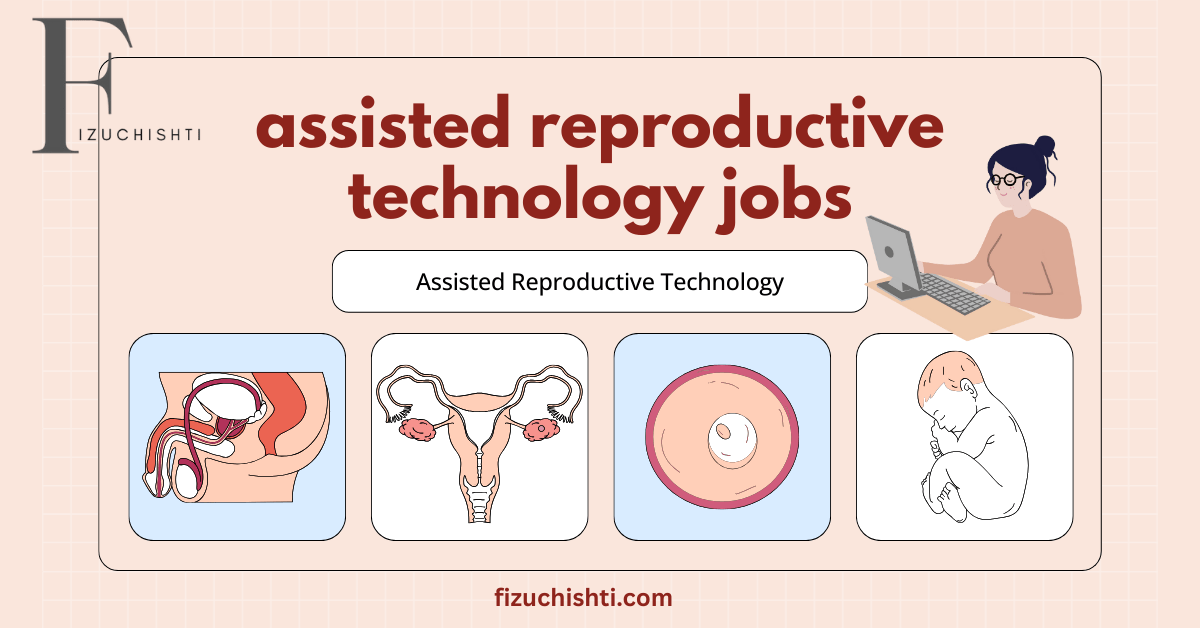
Assisted Reproductive Technology (ART) has evolved the world of reproductive medicine, helping couples and families in their dream of parenthood. This increases the need for professionals who can understand the responsibilities behind these life-changing treatments. Whether you’re considering your career path as embryology, or preparing for an interview in a clinic or hospital, understanding how this industry works is essential.
This article will tell you about what are most asked questions in ART jobs, skills you must highlight, common challenges, and some tips from seniors .
What Are Assisted Reproductive Technology Jobs and Why Do They Matter?
ART refers to medical procedures that aid fertility, such as IVF (In Vitro Fertilization), ICSI, cryopreservation, and genetic screening.Professionals working in ART play an important role in creating life, handling delicate biological material, and supporting patients through emotionally intense journeys.Why ART Jobs Matter
- Growing Global Demand: Fertility issues are increasing and affecting millions worldwide.Jobs in reproductive health are also increasing.
- Life-Changing Impact: Professionals help individuals and couples in creating families.
- Cutting-Edge Science: ART is at the center of genetics, endocrinology, laboratory science, and healthcare innovation.
- Diverse Career Pathways: This career has lots of opportunities including research, clinical practice, embryology, laboratory technology and reproductive endocrinology.
How Can You Best Prepare for Assisted Reproductive Technology Job Interviews?
Preparing for an interview in an assisted reproductive technology career requires a balance of scientific and emotional awareness. Employers in embryology and experts who can handle delicate laboratory procedures will be supporting patients through highly sensitive experiences. The following strategies will help you in preparing for a job interview.
1. Strengthen Your Scientific research
A solid understanding of reproductive science is important for laboratory and clinical roles.Start by reviewing main concepts such as gametogenesis, embryo, hormonal stimulation and laboratory quality control. Understanding basics can help you even if you are applying for administrative or counseling roles. It shows that you can communicate effectively with patients.
2. Review the Clinic’s Techniques
Each fertility clinic operates with its own technologies, techniques, and treatment. Taking time to research these details can make them feel that you are genuinely interested. Look into the clinic’s IVF success rates, the types of procedures they offer such as ICSI, PGTA or donor programs, and their laboratory certifications. Interviewers discuss these points during the interview. Candidates who are well-prepared and eager to be part of their approach can help them in making decisions.
3. Explain Real Examples of Your Experience
Interviewers want to know how you use your skills in complex situations. You can use the STAR method (Situation, Task, Action, Result) to tell your examples clearly. In star method tell about the situation, the task, and the action you take and the outcomes.
Think of when you handled a challenging case, corrected a laboratory mistake or managed an anxious patient. These help in understanding your decision-making process and ability to remain calm under pressure.
4. Understand the Patient Journey
ART professionals understand couples’ journeys and emotionally support them in stressful moments. By speaking with them empathy can help them stay calm.In an interview, explain how you support distressed patients. Showing emotional intelligence is as important as technical capability.
5. Practice Explanation of ART Procedures
ART interviewers often ask you to explain procedures in an accurate, simple, and respectful way. Whether you’re describing IVF, ICSI, embryo development and lab protocols they want to know how you communicate clearly with patients who may not have a medical background. Practicing this ensures that you are confident and knowledgeable.
What Questions will you face in Assisted Reproductive Technology Job Interviews?
Interviewers in clinics and laboratories ask some technical, ethical, and personal questions to understand how you can contribute.
Technical Questions
Interviewers ask several technical questions to assess your understanding of laboratory procedures and reproductive biology.Explain the entire IVF process, from stimulation to embryo transfer.
- What are the steps of grade blastocyst and why is it important?
- What are the main causes of embryo arrest?
- Describe the ICSI procedure step-by-step.
- How do you ensure quality control in the IVF lab?
Scenario-Based Questions
Most interviewers ask scenario based questions to know your judgment. These questions help in understanding how you handle situations when things do not go as planned.
- A couple is stressed about their embryo development. How do you help and counsel them?
- Describe how you respond when a procedure doesn’t go as planned.
Ethics and Professionalism Questions
Ethical and professional responsibility is a major part in Assisted Reproductive Technology careers, so expect questions about how you approach informed consent, especially in donor programs. By discussing these topics clearly shows maturity and respect for patients.
- How do you handle consent for donor programs?
- What is the importance of data privacy in fertility clinics?
- How would you manage moral or cultural sensitivities regarding ART?
Soft Skill Questions
These questions will highlight your communication style and ability to collaborate.
- How will you comfort distressed couples?
- What Is the Salary and Job Opportunity for ART Professionals?
What Is the Salary and Job Opportunity for ART Professionals?
The ART sector is expanding and treatments are becoming more advanced and widely accepted which increases the demand for ART professionals.
Salary Expectations
Salaries vary on the basis of experience and skills. Entry-level professionals start with minimum wage, but income rises as technical skills improve.
- IVF Technicians: They earn entry level salaries, candidates having relevant certification have higher income.
- Embryologists: freshers receive competitive income and with gaining experience in micromanipulation their income increases.
- Senior Embryologists: They have strong income and come among the list of top earners within ART labs, because of their advanced skillset and leadership.
- Reproductive Endocrinologists: With their specialized medical training. They are among the top earners in ART.
- Fertility Nurses: With additional Benefits like training allowance. They have competitive income.
Professionals with advanced skills in genetic analysis and other roles earn higher salaries, because they require technical skills and training.
Job Outlook
Individuals having careers in ART have a bright future. The need for embryologists and fertility specialists are growing due to:
- increasing infertility rates because of changes in lifestyle and health conditions
- delayed parenthood, especially among working professionals
- The rise of fertility clinics and reproductive health centers.
- public awareness and acceptance of ART treatments
How Do You Effectively Showcase Your Skills for Assisted Reproductive Technology Jobs?
Highlighting your skills for an ART role is important . As this field requires skills like scientific precision, emotional support. Your application should have both technical skills and your ability to support patients. A well-structured CV or interview answer that will instantly make you stand out.
1. Highlight Your Technical Competence
Interviewers in labs and clinics ask questions to see that you understand the procedural responsibilities of the job. Instead of general statements, mention the exact equipment and software you have worked with. This gives a picture of your capabilities.
2. Show your Skills
ART professionals work with patients who are stressed, or emotionally drained.Clinics look for candidates who can support patients. You can tell your past experience in the lab or internship to show how you can apply your skills.
3. Showcase Certifications and Relevant Training
Training in a relevant field adds credibility and shows your commitment. Mention any Certificates you have. These certificates assure that you have knowledge of fields like ART
4. Tailor Your Resume to the Job Description
Different roles in reproductive medicine require different strengths, so customize your application to get notice.
For example:
For IVF technician or lab roles. You can focus on laboratory skills, equipment handling, and technical procedures.
Challenges candidates face in Interviews and How You can Overcome Them?
Interviews for ART roles can be challenging because they ask about your scientific knowledge and your ability to handle situations. Preparing for these helps a lot in interviews.
Highly Technical Questions
Interviewers may ask you to explain detailed procedures in short.
How to overcome it: Focus on explaining main concepts and don’t be overconfident if you don’t know something just say it.
Addressing Ethical situations
ART roles involve sensitive situations, especially when dealing with donor programs or distressed patients.
How to overcome it: show that you understand the importance of consent and privacy of patients. Emphasize empathy, and strict confidentiality whenever ethical questions arise.
Limited Experience in Specific Techniques
Many candidates are not familiar with all the procedures used in an IVF lab.
How to overcome it: Be honest, tell them about what you don’t know and highlight. Mention some techniques you know.
Managing High-Pressure Scenarios
ART clinics want to know how you work when things become stressful, such as unexpected lab issues or facing emotional patients.
How to overcome it: Share examples where you stay calm and make careful decisions.
Explaining procedures in Simple Terms
Simplifying complex procedures is also a main challenge that many struggle with.
How to overcome it: Practice explaining these procedures to a non-medical friend.This ensures that you can communicate clearly with patients.
Conclusion:
Assisted reproductive technology jobs offer a future oriented career. If you are dreaming of becoming an embryologist and want to work in an IVF lab, then go for ART.
You just need to prepare thoughtfully for interviews, make your tone simple and understanding. Showing your technical expertise with emotional awareness will help you the most.
Frequently Asked Questions (FAQs)
What is the most important skill for assisted reproductive technology jobs?
The most important skill is precision. Art is a technical field Whether you’re in the lab or counseling patients, accuracy is essential.
How do I explain complex ART procedures in an interview?
Interviewers ask to explain these procedures because they want to know your understanding and knowledge. Use simple languages and short steps while explaining
Are ethics questions common in ART interviews?
Yes. Clinics want to ensure that you respect confidentiality, patients boundaries, and cultural sensitivity.
What if I don’t have professional experience in a specific ART technique?
Be honest, then highlight similar laboratory or clinical experience. Show your readiness to learn quickly.
Can I work in ART without any healthcare experience?
Yes. There are some roles that don’t need healthcare experience. Fields which include administration, patient coordination, or entry-level lab support don’t need experience and training is also provided.