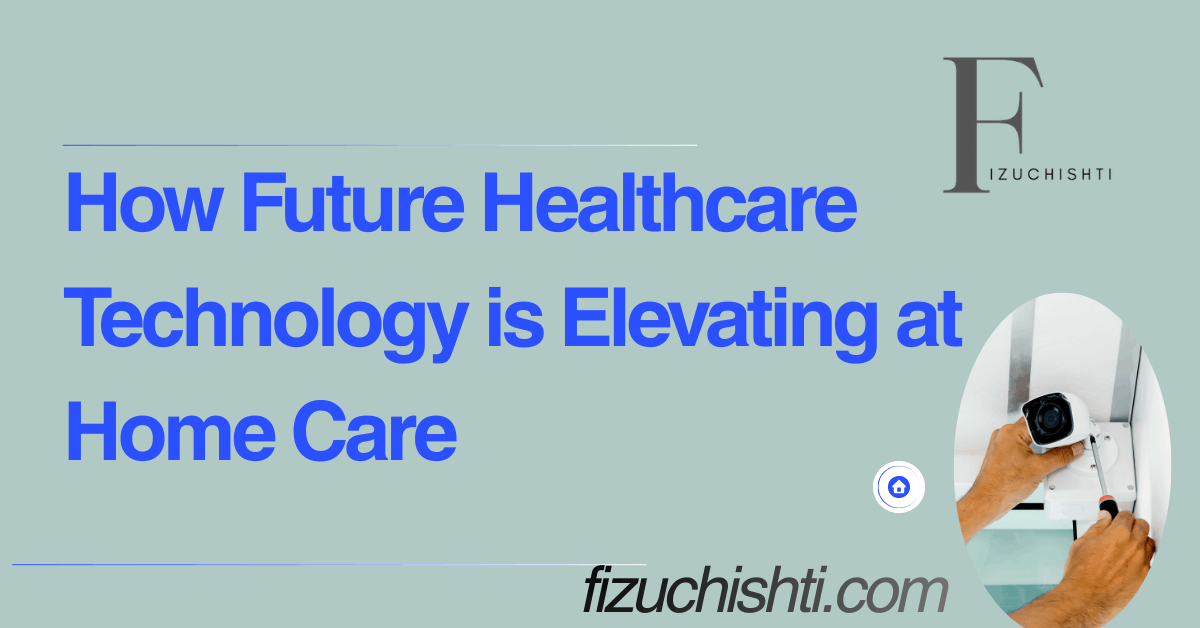
Introduction: How future Healthcare Technology is elevating at Home Care
Healthcare is not limited to hospitals. Healthcare technology is now shifting to the home, allowing patients to monitor their health and manage treatments without leaving their homes. This is making healthcare more convenient, accessible, and patient-focused.
The development of future healthcare technology is playing a key role in this change. Innovations such as remote monitoring devices, telemedicine platforms, and smart wearable tools are helping doctors stay connected with patients in real time.
These digital healthcare innovations make it possible to detect health issues earlier, track recovery more effectively, and provide timely medical support.
At the same time, smart healthcare solutions are improving the quality of care for people who need long-term monitoring, including elderly patients and those living with chronic illnesses.
From smart sensors that track vital signs to advanced apps that remind patients to take their medication, home healthcare technology is creating safer and more efficient care environments.
As healthcare technology trends continue to evolve, the home is becoming an important extension of the healthcare system.
With the help of advanced medical technology for home care and other modern healthcare solutions, patients can now receive high-quality care while staying comfortable in their own homes.
How future healthcare technology is elevating at home care
1. Growing Demand for Healthcare Technology
Healthcare is moving from hospitals to homes. Many patients prefer receiving care in a familiar and comfortable environment for long periods. This growing preference has increased the demand for home healthcare technology, which allows patients to manage their health conditions more conveniently.
2. Factors Driving the Shift to At-Home Care
The aging population is one of the main reasons, as many older adults require regular monitoring and assistance. In addition, chronic illnesses such as diabetes and heart disease often require continuous care. With the help of future healthcare technology, patients can track their health conditions and receive support without frequent hospital visits.
3. Role of Digital Healthcare in the home
Modern technology is making home care more effective and reliable. Mobile health apps, wearable devices, and remote monitoring tools allow doctors to stay connected with patients. These tools collect important health data and share it with doctors, enabling faster medical responses when needed.
4. How Smart Healthcare Solutions Improve Home Care
Smart healthcare solutions are transforming how care is delivered at home. Smart sensors monitor vital signs that remind patients to take medication; these tools improve patient safety and independence.
Future of Healthcare Technology in Home Care in 2026
Remote Patient Monitoring Devices:
The use of such monitoring devices is an example of how future healthcare technology is elevating at home care. These devices allow patients to track their vitals and body temperature from their homes. The data is directly shared with doctors to monitor it.
Artificial Intelligence in Home Healthcare:
AI systems can analyze health and provide insights. AI tools can detect an unusual heartbeat and alert doctors before it becomes serious. This helps patients in receiving more personalized care at home.
Telemedicine and Virtual Healthcare:
With video consultations, medical platforms, and mobile health applications, patients can easily communicate with their doctors.
This technology saves time and reduces costs while giving professional medical advice. Telemedicine also helps people who live in remote areas or those who have limited mobility.
Smart Medical Devices for Home Use:
The development of smart medical devices has greatly improved advanced medical technology for home care. These tools are part of modern healthcare technology trends and support continuous monitoring of chronic conditions.
As these continue to improve, they will make healthcare safer, more reliable, and more accessible for people around the world.
Benefits of healthcare technology
Greater Comfort for Patients
The comfort it provides is an example of how future healthcare technology is elevating at home care. Many people feel more relaxed and secure in their own homes compared to hospital environments. Patients can receive regular monitoring and guidance while staying at home.
Fewer Hospital Visits
Another advantage is fewer hospital visits. Smart monitoring devices allow doctors to check patients remotely. Patients can share data and receive advice without traveling to the hospital.
Lower Healthcare Costs
Using smart healthcare solutions at home reduces medical expenses. Hospital stays, transportation, and repeated visits can be costly. Patients can manage their conditions more efficiently while keeping healthcare costs under control.
Continuous Health Monitoring
Modern healthcare technology is making health monitoring possible. These devices can track heart rate, blood pressure, and sugar levels. These devices can track your vitals and detect health issues before anything serious happens.
Improved Access to Modern Healthcare Solutions
Modern healthcare solutions give remote access to medical professionals who live in underserved areas. With healthcare systems, patients can receive medical advice and monitoring.
This clearly shows how future healthcare technology is elevating at-home care by making healthcare services more available and efficient for everyone.
Challenges of Implementing Healthcare Technology at Home
1. Data Privacy and Security Concerns
While how future healthcare technology is elevating at home care, it also brings concerns about data privacy and security. Many systems collect sensitive health information as medical history and treatment records. Strong security systems are necessary to protect patient information.
2. Limited Access to Technology
Not everyone can have access to healthcare technology at home. Some patients do not have reliable internet connections or the money to purchase smart devices.
This can limit the benefits of digital healthcare innovations, especially in rural or low-income communities where healthcare resources are already limited.
3. Need for Digital Literacy
Many people, particularly elderly patients, may find it difficult to use new technology. Devices, mobile health apps, and remote monitoring systems require basic digital skills.
Without any proper guidance, patients struggle to use these devices effectively. This challenge shows that education and support are important.
4. Cost of Advanced Medical Technology
Although advanced medical technology for home care has many benefits, the cost of some devices can still be high. As healthcare technology trends evolve, reducing costs will be important.
Healthcare Technology Trends Shaping Home Care
1. Rise of Artificial Intelligence in Home Healthcare
Artificial intelligence is becoming an important part of future healthcare technology used at home. AI can study health data collected from devices and help doctors understand patient conditions.
This technology can identify unusual changes in vital signs and send alerts when medical attention may be needed. Such developments show how future healthcare technology is elevating at home care by making monitoring faster and more accurate.
2. Growth of Connected Medical Devices
Connected medical devices are also shaping modern home healthcare technology. With the internet, these healthcare technology devices allow patients to stay connected with doctors.
3. Expansion of Remote Healthcare Services
With innovations, patients can discuss symptoms, receive medical advice, and follow treatment without leaving their homes. These services are becoming an important part of smart healthcare solutions that make healthcare easier to access.
4. Development of User-Friendly Medical Technology
Technology developers are focusing on creating devices that are simple and safe for home use. Many tools are designed so that patients can use them without professional assistance. This ensures that more people can benefit from healthcare solutions while managing their health.
Conclusion
Healthcare is gradually moving beyond hospitals and clinics, and this shift is largely driven by technological progress. Home healthcare technology is allowing patients to easily monitor their health, communicate with doctors, and receive treatment.
This is how future healthcare technology is elevating at home care and improving health.
Through digital healthcare innovations and smart healthcare solutions, patients can now receive continuous care, better health tracking, and faster medical support. These developments are especially helpful for elderly individuals and people managing long-term health conditions.
As healthcare technology evolves, the role of advanced medical technology will become even more important. With the development of healthcare solutions, people are maintaining better health while staying in the comfort of their homes.
Frequently Asked Questions FAQs
How is future healthcare technology improving at-home care?
Future healthcare technology is improving by enabling remote health monitoring, virtual doctors, and data sharing.
These innovations show how future healthcare technology is evolving at home care by making healthcare more convenient and accessible.
What are examples of smart healthcare solutions for home use?
Examples are health trackers, smart blood pressure monitors, digital glucose meters, and mobile apps. These tools help patients monitor their health and share important health information with doctors.
Why are digital healthcare innovations important for patients?
Digital healthcare innovations are easier to access and more efficient. With these innovations, patients can consult doctors online, track their health data, and receive medical advice.
What are the latest healthcare technology trends in home care?
Some important healthcare technology trends include remote patient monitoring, artificial intelligence in healthcare, connected medical devices, and telemedicine services. These trends are helping improve the quality of care provided at home.
Is advanced medical technology safe to use at home?
Yes, many types of advanced medical technology are safe and easy to use by patients. These devices are developed to provide health monitoring to patients to manage their conditions at home.
What is the future of healthcare technology at home?
The future of healthcare technology at home will have improved remote monitoring and advanced medical devices. As healthcare solutions continue to develop, home-based healthcare will become more effective and widely used.